

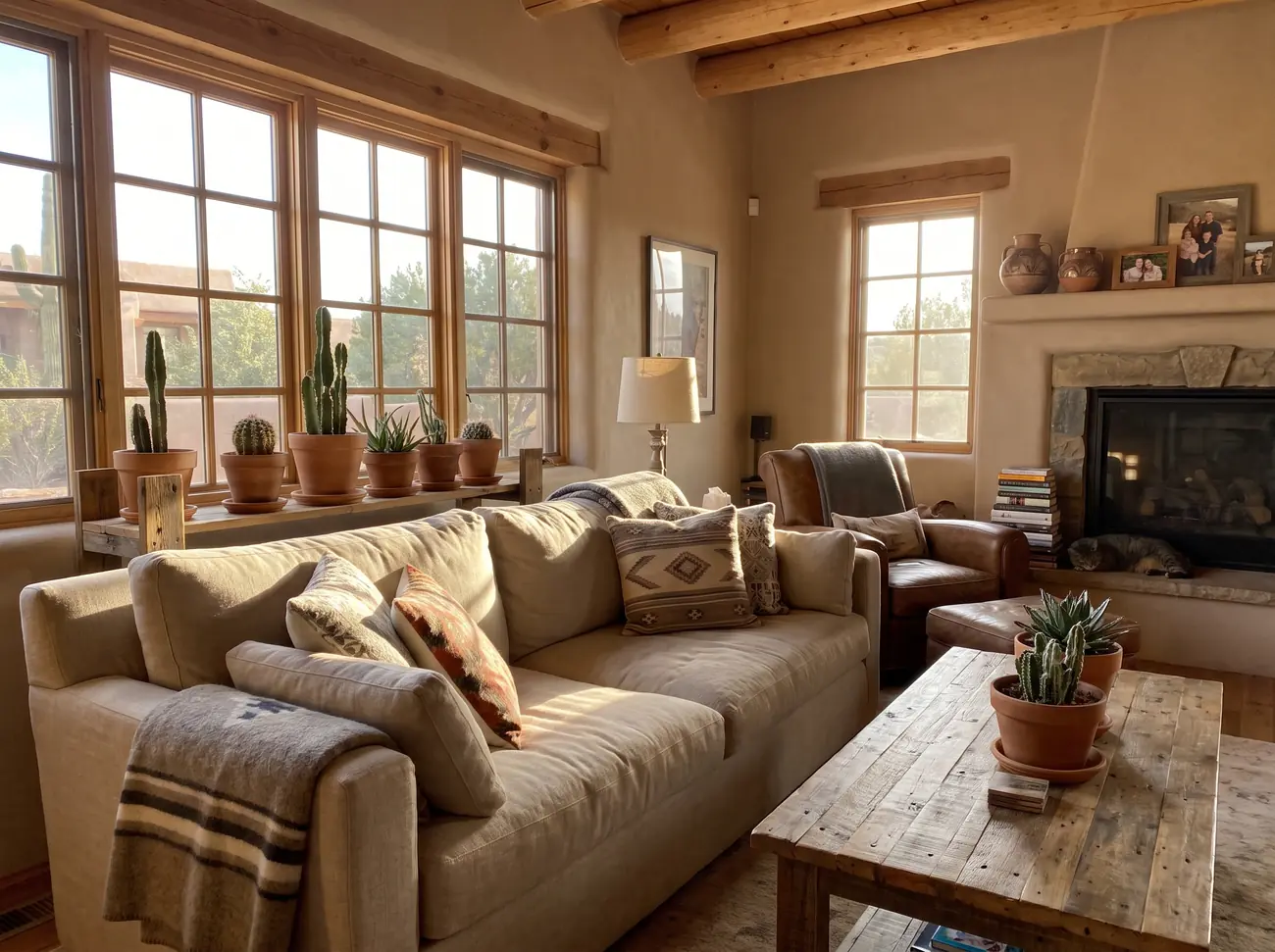
Your home is probably the largest purchase you'll ever make, and the policy protecting it is often chosen in a rush — during escrow, with a lender waiting on proof of insurance. That's how people end up with a dwelling limit that wouldn't rebuild the house, a deductible they didn't know about, or an assumption that a flooded living room is covered when it isn't.
I'm Cody Chipman, an independent producer based in Gilbert. I help Arizona homeowners, condo owners, and renters understand what their property policy really does, then compare options across multiple carriers so the coverage fits the home and the price fits the budget.
Below is a practical guide to how home insurance works here, the risks that matter most in the desert, and the details worth checking before you sign anything.
On this page
- The six parts of a homeowners policy
- Replacement cost vs. actual cash value
- Arizona home risks — and how they're covered
- Condo (HO-6) and renters (HO-4) insurance
- How to lower your home insurance premium
- Make a home inventory before you need one
- How I help you get the right home coverage
- Frequently asked questions
The six parts of a homeowners policy
Most homeowners policies are organized into lettered coverages. Each has its own limit, and knowing them makes your declarations page far easier to read.
- Coverage A — Dwelling
- The structure of your home: walls, roof, floors, built-in cabinets, plumbing, wiring, and attached features like a garage or patio cover. This limit should reflect what it would cost to rebuild, not what the house would sell for.
- Coverage B — Other structures
- Detached structures such as block fences, a detached casita, a shed, or a pergola. It's usually set as a percentage of your dwelling limit, often 10%.
- Coverage C — Personal property
- Your belongings — furniture, clothing, electronics, appliances, tools. Jewelry, firearms, collectibles, and similar valuables usually have lower built-in limits for theft and may need to be scheduled separately.
- Coverage D — Loss of use
- Additional living expenses if a covered loss makes your home unlivable: a rental, a hotel, extra meal costs, and similar bills while repairs are made.
- Coverage E — Personal liability
- Protects you if someone is injured on your property or you accidentally damage someone else's property, including legal defense. A guest slipping by the pool or a dog bite are classic examples.
- Coverage F — Medical payments to others
- Smaller, no-fault coverage for guests' minor injuries, which can resolve a situation before it turns into a liability claim.
Replacement cost vs. actual cash value
This is the single most important detail most people never ask about. It controls how much you're paid after a loss.
- Replacement cost
- Pays what it costs to repair or replace damaged property with new materials of like kind and quality, without subtracting for age or wear. For both the dwelling and your belongings, this is usually the coverage you want.
- Actual cash value (ACV)
- Pays replacement cost minus depreciation. A 12-year-old roof or a 7-year-old couch is worth far less on paper than it costs to replace, and the difference comes out of your pocket.
- Extended or guaranteed replacement cost
- Adds a cushion — commonly 20% to 50% above your dwelling limit — in case construction costs spike after a widespread storm or your estimate turns out low.
Many carriers apply ACV or a separate payment schedule to roofs past a certain age, even on an otherwise replacement-cost policy. In Arizona, where sun and heat age shingles and underlayment faster than in milder climates, it's worth knowing exactly how your roof is covered before a storm answers the question for you.
Market value and rebuild cost are also two different numbers. Your lot doesn't burn down, and land often makes up a large share of a Valley home's price. Lenders sometimes push dwelling limits toward the loan amount, but the goal is accurate replacement cost — enough to rebuild completely without paying for coverage you'll never use.
Arizona home risks — and how they're covered
The desert has a distinct risk profile. These are the questions I hear most often from Valley homeowners:
- Monsoon wind and hail
- Wind and hail are generally covered perils on a standard homeowners policy. Some policies carry a separate, higher wind/hail deductible, sometimes expressed as a percentage of your dwelling limit rather than a flat amount — a detail worth checking before July.
- Flash flooding
- Flood damage is excluded from standard homeowners policies, including water that flows in from outside during a monsoon storm. Separate flood coverage is available through the National Flood Insurance Program and private insurers, and it can be relatively affordable outside high-risk zones. There's typically a 30-day waiting period, so it needs to be in place before storm season.
- Slab leaks and water damage
- Hard water and aging pipes make slab leaks common in older Valley neighborhoods. Policies often cover sudden water damage and the cost to access the leak, but may not pay to fix the pipe itself or damage from a slow leak that went on for months. Water backup from a sewer or drain is usually a separate endorsement.
- Pools and trampolines
- These raise your liability exposure. Fencing, self-latching gates, and other safety features matter to insurers, and they're a good reason to review your liability limit and consider an umbrella policy.
- Termites, scorpions, and wear
- Pest damage, mold from long-term moisture, and general wear and tear are maintenance issues, not insurable events. Insurance covers sudden and accidental losses, not gradual deterioration.
- Theft and package theft
- Theft of personal property is typically covered, subject to your deductible. Higher-value items like jewelry and watches have sublimits unless you schedule them.
Condo (HO-6) and renters (HO-4) insurance
If you own a condo or townhome, your HOA's master policy covers part of the building — but how much varies widely. Some master policies cover only the exterior shell and common areas. Others include original interior fixtures but not upgrades. A condo policy fills the gap between where the HOA's coverage ends and where your responsibility begins: interior walls, flooring, cabinets, your belongings, loss of use, and personal liability.
I always recommend reading the HOA's CC&Rs and master policy summary, and I'm glad to review them with you. Loss assessment coverage is another detail worth adding: if the HOA's policy falls short or carries a large deductible, owners can be assessed to make up the difference.
Renters insurance is one of the best values in personal insurance. Your landlord's policy covers the building, not your belongings or your liability. For a relatively small monthly cost, a renters policy protects your property against covered losses, pays additional living expenses if the unit becomes unlivable, and provides liability protection if someone is hurt in your home.
How to lower your home insurance premium
- Bundle with your auto insurance — often one of the largest available discounts.
- Choose a deductible you can comfortably cover from savings.
- Ask about credits for monitored security and fire alarms, water-leak sensors, and automatic shutoff valves.
- Tell your agent about a newer roof, updated plumbing, or electrical upgrades.
- Keep small claims off your record when the cost is close to your deductible.
- Maintain continuous coverage and review your policy each year before renewal.
Discounts vary by carrier, which is one reason comparing several companies matters. The cheapest policy can quietly carry ACV roof coverage, a large wind/hail deductible, or a low personal property limit, so I compare the coverage details alongside the price.
Make a home inventory before you need one
After a fire or burglary, you'll be asked to list what you lost. Almost no one can do that from memory. A quick inventory turns a stressful claim into a manageable one.
- Walk through each room recording a video, opening closets and drawers as you go.
- Photograph serial numbers on electronics and appliances.
- Save receipts and appraisals for jewelry, art, and other valuables.
- Store the files in the cloud, not just on a device inside the house.
- Update it after major purchases or once a year.
How I help you get the right home coverage
If you're buying a home, I can move quickly to meet your closing date while still making sure the coverage is right. If you already have a policy, send me your declarations page and I'll walk you through your dwelling limit, deductibles, roof coverage, and the endorsements you do and don't have.
From there, I compare options from the carriers I work with through Wilcock Filley & Associates and show you the tradeoffs clearly. After you're covered, I'm the person you call when you remodel, add a pool, start a home business, or need help with a claim.
Home Insurance: frequently asked questions
Is home insurance required in Arizona?
State law doesn't require it, but nearly every mortgage lender does. Even after your home is paid off, going without coverage means paying out of pocket for fire, storm, theft, and liability claims.
Does homeowners insurance cover monsoon damage?
Wind and hail damage are generally covered, subject to your deductible, which may be a separate wind/hail deductible. Flooding from surface water is excluded and requires separate flood insurance.
Do I need flood insurance in Arizona?
If you're in a designated high-risk flood zone with a federally backed mortgage, your lender will require it. Outside those zones it's optional, but flash flooding does happen across the Valley, and coverage is often more affordable than people assume.
How much dwelling coverage do I need?
Enough to fully rebuild your home at today's construction costs. That's different from your purchase price or market value, because it excludes land. I can help you estimate it based on your square footage, construction type, and finishes.
Does homeowners insurance cover a slab leak?
Many policies cover sudden water damage from a slab leak and the cost to access the pipe, but not the repair of the pipe itself or damage from a long-term leak. Coverage varies by policy, so it's worth reviewing yours.
What's the difference between HO-3, HO-5, and HO-6 policies?
An HO-3 is the most common homeowners form. An HO-5 typically offers broader, open-perils coverage for your belongings as well as your home. An HO-6 is a condo policy designed to work alongside your HOA's master policy.
Is renters insurance worth it?
For most renters, yes. It protects your belongings, pays extra living costs if your unit becomes unlivable, and includes liability coverage — usually for a modest monthly cost.
This page is general information, not a description of any specific policy. Coverage, exclusions, and availability vary by carrier and policy, and the terms of your policy always control. For guidance on your situation, contact Cody.